Could Oral Bacteria Influence Breast Cancer Risk?

One of the most exciting developments in healthcare today is the growing recognition that oral health and systemic health are deeply connected.
As dentists, many of us have long observed this connection clinically. We see patients with chronic inflammation, cardiovascular disease, diabetes, autoimmune conditions, and other health challenges often presenting with significant periodontal disease as well.
But every year, the scientific evidence becomes stronger.
A recently published study from researchers at Johns Hopkins Medicine has uncovered another important piece of this puzzle—and it has significant implications for how we think about oral health.
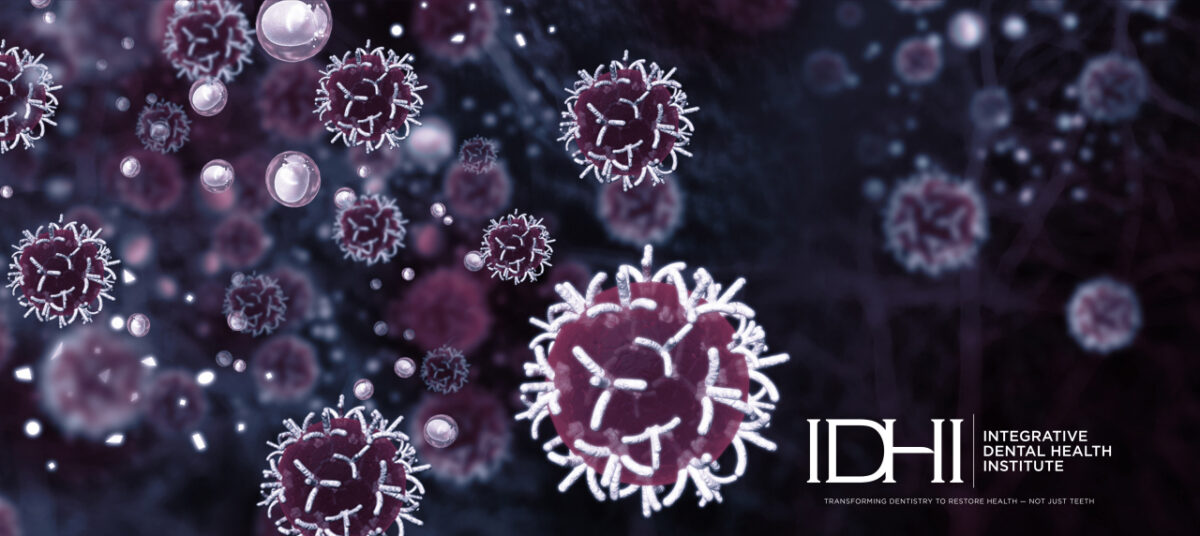
The study focused on Fusobacterium nucleatum, a bacterium commonly associated with periodontal disease.
Many biological and integrative dentists are already familiar with this microorganism because it has previously been linked to colorectal cancer and other systemic diseases.
What makes this new research particularly compelling is that investigators found evidence that Fusobacterium nucleatum can travel from the mouth through the bloodstream and establish itself within breast tissue.
Once there, researchers observed several concerning effects:
- Increased inflammation
- DNA damage within cells
- Accelerated tumor growth
- Greater cancer cell invasion and spread
- Increased resistance to chemotherapy
Perhaps most strikingly, the effects were even more pronounced in cells carrying BRCA1 genetic mutations, which are already associated with a higher risk of breast cancer.
While this research was conducted primarily in laboratory and animal models, the findings add to a growing body of evidence suggesting that oral pathogens may play a much larger role in systemic disease than we previously understood.
As clinicians, this should prompt us to ask an important question:
Are we simply treating gum disease—or are we helping reduce a significant source of chronic inflammation and microbial burden throughout the body?
This is one of the core principles of integrative dentistry.
When we evaluate periodontal disease through a whole-body lens, our goal extends beyond preserving teeth and gums.
We are working to:
- Reduce systemic inflammation
- Improve microbial balance
- Support immune function
- Eliminate chronic sources of infection
- Create conditions for overall health and healing
Research like this reinforces why periodontal therapy should never be viewed as an isolated dental procedure.
The oral microbiome is not confined to the mouth.
It influences the gastrointestinal tract, cardiovascular system, immune system, respiratory health, and—as emerging evidence now suggests—potentially breast tissue as well.
For patients, this can be a powerful educational opportunity.
Many people still view bleeding gums as a minor inconvenience rather than a sign of active infection and inflammation.
When we help patients understand the broader implications of periodontal disease, they often become far more motivated to engage in preventive care and treatment.
This is where comprehensive diagnostics become increasingly valuable.
Microbiome testing, periodontal risk assessment, nutritional evaluation, and individualized treatment planning allow us to identify risk factors earlier and create more personalized approaches to care.
The future of dentistry is moving beyond symptom management.
It is moving toward prevention, early intervention, and a deeper understanding of how oral health influences every system in the body.
Studies like this remind us that the work we do every day extends far beyond teeth.
Every healthy periodontal pocket, every reduction in bacterial burden, and every patient educated about oral-systemic health has the potential to impact overall wellness in ways we are only beginning to understand.
As the science continues to evolve, one thing remains clear:
The mouth is not separate from the body.
And the more we embrace that reality in our practices, the greater the opportunity we have to improve the health of our patients.
As research continues to uncover the systemic impact of periodontal pathogens such as Fusobacterium nucleatum, it also highlights the importance of reducing bacterial burden in a way that supports both oral and overall health.
This is one reason ozone therapy has become such a valuable tool in integrative dentistry.
Ozone has been shown to help reduce pathogenic bacteria, disrupt biofilms, support tissue healing, and create a healthier oral environment without contributing to antibiotic resistance. While no therapy can eliminate every risk factor associated with systemic disease, ozone offers clinicians a powerful adjunctive approach for managing periodontal infections and promoting a more balanced oral microbiome.
As we learn more about the potential role of oral pathogens in conditions beyond the mouth, incorporating therapies that address microbial health proactively becomes increasingly important.
If you’re interested in learning how to safely and effectively implement ozone therapy in your practice, our comprehensive On-Demand Ozone in Dentistry Course provides practical protocols, clinical applications, case examples, and implementation strategies you can begin using immediately.